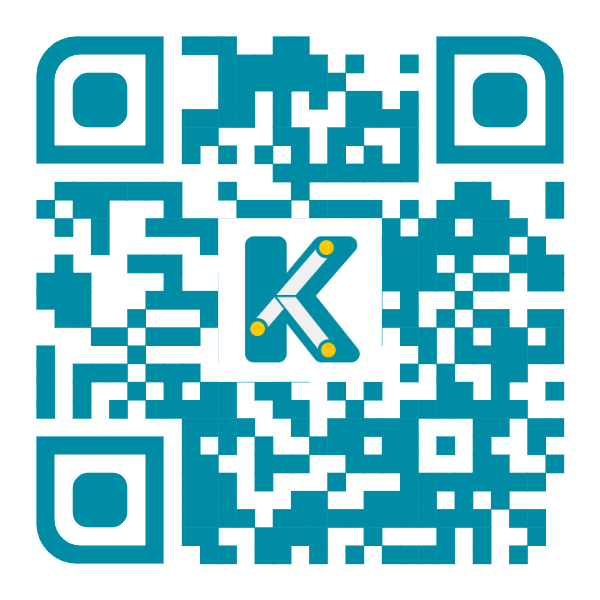
1.Kaohsiung Smart Transportation QR Code
QR Code mobile payment boarding codes have been fully introduced on all city buses. Passengers may board with a single scan using iPASS MONEY, Easy Wallet, icash Pay, or JKOPay.
2.Four-in-One Integrated Bus System
All city buses have been equipped with a four-in-one integrated system comprising an on-board real-time bus information unit, front destination display, fare validator, and in-vehicle stop announcement system. Before starting a shift, drivers only need to enter a single route code to complete all system settings. This reduces drivers’ workloads and minimizes the likelihood of code-entry errors, thereby ensuring the accuracy of real-time bus information.
3.Bus Arrival Information Displays
To improve the quality and accessibility of bus waiting services, the City has installed 644 LED smart real-time bus information display units at MRT stations, bus shelters, vertical bus stop signs, and cylindrical bus stop signs. These units provide real-time bus arrival information, enabling waiting passengers to obtain the latest estimated arrival times and relevant service information while also enhancing safety for passengers waiting at night. At stops without a power supply or where underground conduit installation and electrical connection are difficult, solar-powered e-paper smart bus stop signs have been installed. These signs provide real-time bus information, flip-style route map displays, energy-efficient operation, and ease of installation, thereby providing passengers with timely travel information. A total of 120 e-paper smart bus stop signs have been installed citywide to date. In 2026, 200 e-paper bus stop signs will be replaced or newly installed, further increasing the number of stops providing real-time bus information and enhancing the overall bus waiting environment and service quality.
4.Universally Accessible, Voice-Enabled “Kaohsiung iBus+” Smart Bus Arrival Information
To promote green, sustainable, and low-carbon public transportation, and in view of Kaohsiung’s relatively higher proportion of persons with disabilities and older adults compared with other cities and counties, the iBus App serves as the primary service gateway for residents using city buses. To advance transportation equity, provide all residents with a simpler interface and intelligent functions, and enable older adults and persons with disabilities to use public transportation services more easily, the legacy iBus App, which had been in use for 15 years, was upgraded and relaunched as the new Kaohsiung iBus+ Smart Bus Service App. Since its launch, downloads have exceeded 150,000, and the App has been well received by older adults and the general public. It has also received multiple international design recognitions, including the iF Design Award, Japan Good Design Award, Red Dot Design Award, the GDA Awards for Social Impact and Equality, and a nomination for the UX Design Awards 2025, demonstrating Kaohsiung’s innovation and design excellence in intelligent transportation systems.
Through the “Kaohsiung iBus+” App, users can not only access bus service information but also check the number of bicycles and docking spaces available at YouBike 2.0 stations. The App also provides MRT and LRT arrival information, ferry departure timetables, and links to taxi and shared mobility services, offering users a range of transportation options. Favorite Stop functionality and a new Friendly Mode have also been introduced, enabling users to access transportation information and plan journeys more conveniently. Other user-oriented functions have also been optimized, including route diversion notifications, a voice reading assistance system, bus stop locations displayed on the homepage, and on-board crowding levels, among other practical inquiry functions.
The new iBus App and bus information website have been designed to accommodate the needs of older adults and users with physical or visual impairments. Accessibility modes and accessible webpages have been developed in parallel, and web accessibility certification has been obtained, providing users with more comprehensive and convenient public transportation information inquiry and transfer services. In addition, a pre-registration mechanism for low-floor buses has been developed, with registration available through both the App and the website, providing more accessible bus services for older adults and persons with physical or visual impairments. This service was launched on September 9, 2024.
Bus arrival voice announcement devices have been installed at 179 high-traffic bus shelters or shelters frequently used by visually impaired passengers, including Chang Gung Memorial Hospital Station, Fengshan Bus Terminal, and Kaohsiung Main Station. The City Government will continue to seek central government subsidies to develop a more accessible and passenger-friendly bus waiting environment.